
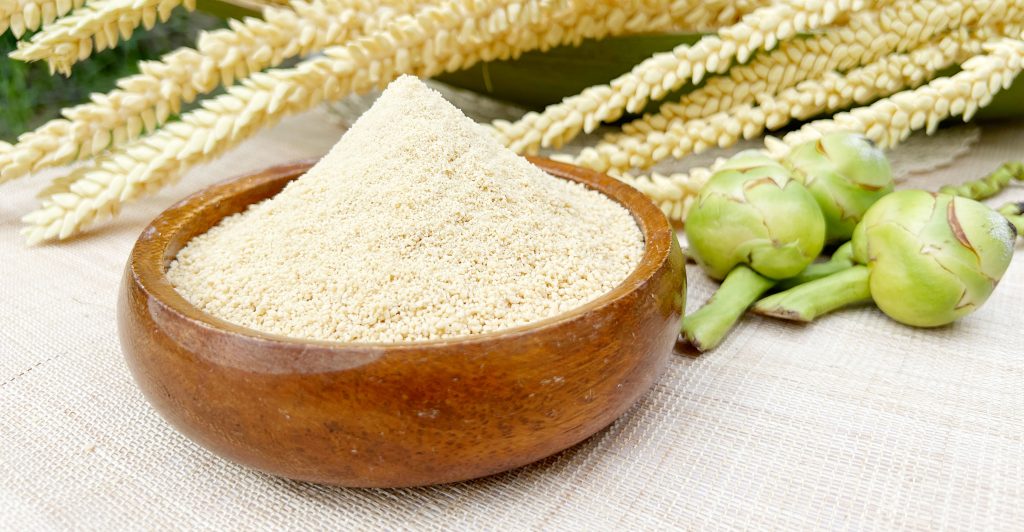
 Coconut sugar (often called coco sugar or coconut palm sugar) is a natural sweetener derived from the sap of the coconut palm tree (Cocos nucifera).
Unlike regular table sugar, which comes from sugar cane or sugar beets, coco sugar, touted as being more nutritious and having a lower glycemic index than table sugar.
It undergoes minimal processing, allowing it to retain some of its natural nutrients and giving it a distinct flavor profile.
Key Benefits of Coconut Sugar
Lower Glycemic Index (GI): Coconut sugar has a GI of around 35–54, compared to white table sugar’s ~60–65. This means it causes a slower, more gradual rise in blood sugar levels, which may be better for blood sugar management. It also contains a bit of the prebiotic fiber inulin, which can help slow glucose absorption.
Contains Trace Nutrients: Unlike highly refined white sugar (which is basically empty calories), coconut sugar retains small amounts of minerals and compounds from the coconut palm, including:
- Iron, zinc, calcium, potassium, magnesium, and phosphorus
- Small amounts of B vitamins and antioxidants (polyphenols)
Amino acids: These are present in very low quantities per typical serving, so they don’t make it a “superfood,” but it’s a slight nutritional upgrade over refined sugar.
Minimally Processed: It undergoes less processing than white sugar, preserving more natural compounds. It has a caramel-like flavor similar to brown sugar, making it versatile for baking and cooking.
Other Potential Perks:
- May support gut health slightly due to inulin (a prebiotic).
- Provides quick energy like other sugars (useful for preventing hypoglycemia).
- Vegan, plant-based, and often organic/sustainable options available.
Nutrition Snapshot (per teaspoon / ~4–5g)
~15–18 calories
~4–5g carbohydrates (almost all sugar)
Trace minerals (not enough for significant daily value)